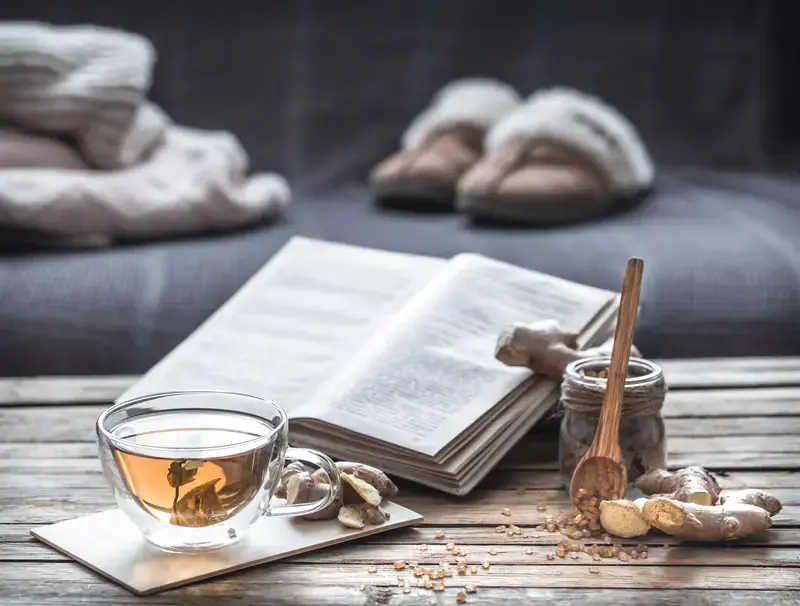
There is something comforting about being at home when you feel unwell. Imagine coming in from a cold evening, wrapping your hands around a warm cup of ginger tea, and resting while the rain taps against the window. You may remember a parent preparing honey and lemon for a sore throat or a grandparent keeping familiar herbs in the kitchen. These small traditions often become part of how families care for one another.
A home remedies book natural cures guide can bring those familiar practices together in one place. It can explain traditional recipes, show how to prepare simple herbal drinks, and help readers understand which home care methods may offer comfort. The most useful guides also explain when a remedy is unlikely to help and when professional medical care is the safer choice.
Natural care can be appealing because it feels familiar and accessible. However, natural does not automatically mean safe or effective. Herbs can cause side effects, interact with medicines, or be unsuitable for certain people. A thoughtful approach combines traditional knowledge with reliable health information, sensible expectations, and attention to warning signs.
What Makes a Home Remedies Book Worth Keeping?
A useful home remedies book does more than collect recipes. It explains what each remedy is traditionally used for, how to prepare it, what evidence supports its use, and what precautions readers should understand. This information helps people make decisions rather than follow instructions without considering their circumstances.
Look for clear explanations instead of promises that one ingredient can cure many unrelated conditions. A trustworthy guide distinguishes comfort measures from treatments that address the cause of an illness. For example, a warm drink may soothe an irritated throat, but it does not treat every infection that can cause throat pain.
The strongest guides also make safety information easy to find. Readers should be able to identify possible allergies, age restrictions, medication concerns, and situations that require medical advice. If a book recommends a remedy for children, pregnancy, chronic illness, or serious symptoms without discussing precautions, treat its advice cautiously.
Traditional Knowledge and Modern Health Evidence
Traditional remedies have been passed between generations for centuries. Some practices, such as drinking warm fluids when sick or using a saline nasal spray for congestion, have a reasonable basis for providing symptom relief. Others have limited research or evidence that remains uncertain.
A responsible home remedies book natural cures resource should make these differences clear. Traditional use can explain why a remedy is popular, but it does not prove that the remedy works for every condition. Scientific research may support one use of an herb while finding insufficient evidence for another.
Readers should also look at the quality of the evidence. A small laboratory study does not establish that a homemade preparation will benefit people. Human clinical studies, safety reviews, and guidance from established health organizations offer more useful information, although evidence can still change as research develops.
Everyday Natural Remedies for Common Discomforts
Warm Drinks for a Sore Throat
A scratchy throat can make speaking, eating, and sleeping uncomfortable. Warm water, mild tea, or broth may help keep the throat moist and provide temporary relief. The warmth can feel soothing, especially when a person is also tired or struggling to drink enough fluids.
Honey is another familiar option for adults and children over one year of age. A small amount mixed into a warm drink may help ease a cough for some people. Honey must never be given to infants under twelve months because of the risk of infant botulism. It should also be used thoughtfully by people who need to manage blood glucose.
A home remedies book should explain that symptom relief is not the same as treating the underlying cause. Severe throat pain, difficulty swallowing or breathing, dehydration, or symptoms that persist or worsen require medical attention. A home drink should support comfort, not delay necessary care.
Ginger Tea for Nausea and Comfort
Ginger is widely used in traditional food and wellness practices. Some research supports ginger for certain forms of nausea, including nausea associated with pregnancy, although suitability and dosage depend on the individual and preparation. Evidence for other uses varies.
For a simple drink, place a few thin slices of fresh ginger in hot water and let them steep for several minutes. Strain before drinking and allow the tea to cool to a comfortable temperature. The flavor can be strong, so start with a mild preparation rather than assuming that more ginger will produce better results.
Ginger may cause heartburn or stomach discomfort in some people. Concentrated supplements can also raise medication questions, particularly for people taking medicines that affect bleeding. A person with ongoing nausea, severe abdominal pain, repeated vomiting, or signs of dehydration should seek medical advice instead of relying on tea alone.
Saline for Nasal Congestion
When a cold makes breathing through the nose difficult, saline sprays or rinses may help loosen mucus and relieve congestion. Unlike many herbal remedies, saline works through a straightforward physical process that moistens nasal passages and helps clear secretions.
Ready-made saline sprays are convenient for routine use. If using a nasal irrigation device, water safety is essential. Use distilled or sterile water, or water that has been boiled and then cooled according to public health guidance. Never use untreated tap water for nasal rinsing, and clean the device as directed.
Congestion accompanied by severe facial pain, breathing difficulty, high or persistent fever, or worsening symptoms may need medical assessment. A home remedies book natural cures guide should explain practical limits alongside preparation instructions so readers understand when self-care is appropriate.
Herbal Recipes That Fit Into Everyday Life
A Gentle Ginger and Lemon Drink
A ginger and lemon drink can be a comforting addition to a quiet evening routine. Add a few slices of fresh ginger to hot water, allow it to steep, and squeeze in a little lemon after the water has cooled slightly. Adjust the flavor to suit your preference, and avoid making the drink so hot that it could burn your mouth.
This recipe is best understood as a pleasant way to increase fluid intake rather than a cure for infection. Lemon provides flavor, while ginger contributes a distinctive taste. Neither ingredient should be presented as a substitute for prescribed treatment or as a guaranteed way to prevent illness.
If you take regular medication or have a condition affected by particular foods or supplements, ask a pharmacist or healthcare professional about relevant concerns. A homemade drink may contain familiar ingredients, but individual needs still matter.
Chamomile Tea for a Calming Routine
Chamomile tea is often associated with relaxation and bedtime routines. Preparing a cup can encourage a person to slow down, reduce evening distractions, and create a consistent transition toward sleep. These habits may support rest, although the evidence that chamomile itself treats insomnia is limited.
Use a commercially prepared tea according to its label or follow a reliable preparation guide. Avoid assuming that concentrated chamomile extracts are equivalent to a normal cup of tea. They can differ in strength and may present different risks.
People allergic to plants in the daisy family, including ragweed, may react to chamomile. It can also interact with certain medicines. Anyone who is pregnant, takes regular medication, or has a significant allergy history should check whether chamomile is suitable before using it regularly.
Building a Safe Home Remedies Collection
Keeping a small collection of suitable ingredients can make everyday self-care easier. Fresh ginger, plain honey for people over one year old, familiar herbal teas, and commercially prepared saline products may be useful household options. The right selection depends on family needs, allergies, storage conditions, and advice from healthcare professionals.
A home remedies book natural cures collection should also include practical notes about preparation and storage. Fresh ingredients can spoil, homemade mixtures may not remain safe indefinitely, and containers should be cleaned properly. Avoid keeping unlabeled preparations or assuming that a recipe stays safe simply because it contains herbs.
It is equally important to know what not to keep or use. Essential oils are highly concentrated and should not be swallowed unless a qualified professional specifically directs their use in an appropriate medical context. Some can irritate skin or cause serious harm if used incorrectly. Herbal products sold as supplements can also vary in purity and strength.
When in doubt, choose a simpler method with a clearer safety profile. The aim is not to create a cupboard full of treatments. It is to have a few sensible options for minor discomforts and to know when those options are not enough.
Who Should Be Extra Careful With Natural Remedies?
Natural remedies are not equally suitable for everyone. Children, older adults, pregnant or breastfeeding people, and people living with chronic conditions may face additional risks. Their bodies may respond differently to particular ingredients, and medicines can change which remedies are appropriate.
For example, a person taking blood-thinning medication should not assume that concentrated herbal supplements are harmless because they are sold without a prescription. Some products may affect bleeding risk or interact with treatment. A pharmacist can help check a specific product and its ingredients.
Children need particular care because their doses, body size, and susceptibility to certain substances differ from those of adults. Never assume that an adult herbal recipe can simply be given in a smaller amount. Infants should not receive honey before twelve months of age, and essential oils should not be used around children without understanding the relevant safety guidance.
A home remedies book should direct readers toward professional advice when the risks are unclear. If a remedy causes a rash, swelling, breathing difficulty, or another serious reaction, stop using it and seek appropriate medical help. Breathing difficulty or swelling of the mouth and throat requires emergency attention.
Understanding When Home Care Is Not Enough
One of the most valuable parts of a natural wellness guide is knowing when to stop treating a problem at home. Mild symptoms often improve with rest, fluids, and time, but similar symptoms can sometimes signal a condition that needs medical treatment.
Seek urgent care for symptoms such as severe breathing difficulty, chest pain, confusion, fainting, signs of a serious allergic reaction, or sudden weakness. Persistent fever, worsening pain, repeated vomiting, dehydration, or symptoms that do not improve as expected also deserve professional assessment. The urgency depends on the person’s age, medical history, and the nature of the symptoms.
A home remedies book natural cures guide should never encourage readers to stop prescribed medication or postpone a necessary appointment. Home care can sometimes complement professional treatment, but it should not compete with it. If you are unsure whether a symptom is minor, contacting a qualified healthcare professional is safer than guessing.
How to Choose a Reliable Home Remedies Book
Before choosing a guide, check who wrote it and whether its health claims are supported by credible sources. A qualified healthcare professional, pharmacist, or experienced health writer who references established medical guidance may offer a more dependable starting point than an anonymous collection of recipes.
Look for clear ingredient lists, preparation instructions, possible side effects, and explanations of evidence. The author should distinguish traditional practices from treatments supported by clinical research. Be cautious of books that promise to cure serious diseases, recommend stopping medication, or claim that every natural product is harmless.
A strong guide should also be practical. Recipes should use accessible ingredients, instructions should be easy to follow, and safety notes should be placed where readers can see them. References to organizations such as the National Center for Complementary and Integrative Health can help readers investigate herbal products and evidence further.
Ultimately, the best book is one that encourages informed choices rather than unquestioning trust. It should help readers care for themselves sensibly while respecting the limits of home treatment.
Conclusion
A good home remedies book can preserve useful family traditions, offer simple ways to manage minor discomforts, and help readers build thoughtful self-care routines. Warm drinks, suitable herbal teas, and saline products may provide comfort in certain situations, but their benefits and limitations should be understood clearly.
The most reliable approach combines practical experience with evidence, careful preparation, and respect for individual health needs. Natural remedies are not automatically safe, and they cannot replace medical assessment when symptoms are serious or persistent. Choose trustworthy guidance, check potential interactions, and keep professional care within reach.
With these principles in mind, a home remedies book natural cures guide becomes more than a recipe collection. It becomes a tool for making calmer, safer, and better-informed decisions about everyday wellness.
FAQs
1. What should a home remedies book include?
A useful guide should include clearly explained recipes, traditional uses, evidence where available, preparation and storage instructions, possible side effects, and warnings about interactions. It should also explain which symptoms require medical attention and avoid promising that natural remedies can cure serious diseases.
2. Are natural home remedies always safe?
No. Herbs and other natural products can cause allergic reactions, side effects, or interactions with medication. Safety also depends on the person’s age, pregnancy status, and health conditions. Check reliable guidance before using unfamiliar products, especially concentrated supplements or essential oils.
3. Which home remedies can help with a sore throat?
Warm drinks may soothe an irritated throat, and honey may help ease coughing in people over one year old. These options provide comfort rather than treating every cause. Seek medical advice for severe, persistent, or worsening symptoms.
4. Can herbal teas interact with medications?
Yes. Certain herbs and concentrated extracts can affect how medicines work or increase side effects. If you take prescription medication, have a chronic condition, or are pregnant or breastfeeding, ask a pharmacist or healthcare professional before using a new herbal product regularly.
5. When should I stop using a home remedy?
Stop if symptoms worsen or the remedy causes an unexpected reaction. Seek professional advice for persistent illness, severe pain, dehydration, or concerning symptoms. Breathing difficulty, serious allergic reactions, chest pain, or sudden neurological symptoms require urgent medical attention.