
Losing a tooth can affect more than your smile. It may make chewing difficult, change the way you speak, or leave you feeling uncomfortable when talking to other people. The good news is that modern dentistry offers several ways to replace missing teeth.
Dental implants are one option worth learning about, but they are not the only choice. Understanding how different treatments work, what the process involves, and what recovery may look like can help you make a confident decision.
Explore Tooth Replacement Choices
A missing tooth might seem like a small problem, especially if it is not visible when you smile. However, it can affect everyday activities such as eating and speaking. Nearby teeth may also shift into the empty space over time, which can create further dental problems.
There are several ways to replace missing teeth. A dental bridge uses nearby teeth for support, while dentures can replace several missing teeth or a complete set. Dental implants offer another option by providing support for replacement teeth through the jaw.
What Are Dental Implants?
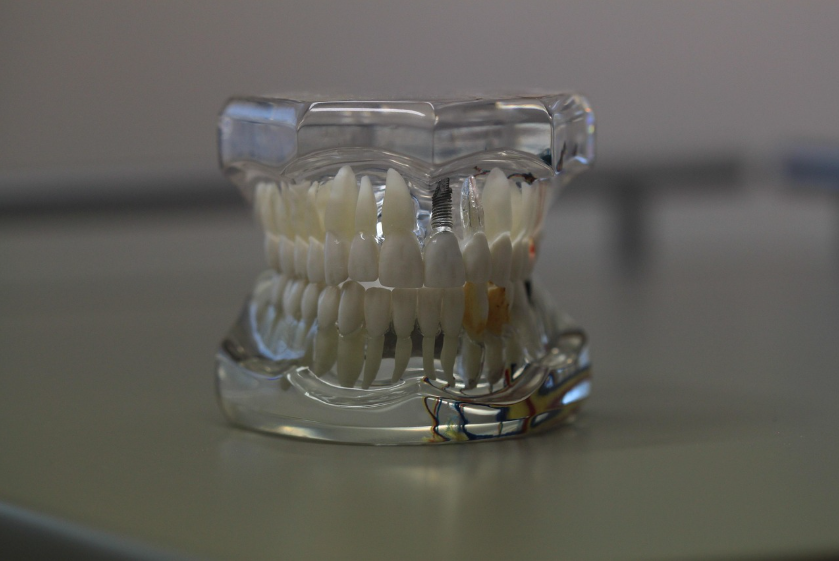
Dental implants are small supports placed inside the jawbone to hold replacement teeth. You can think of them as artificial tooth roots. Once the implant has healed and joined with the surrounding bone, it can support a replacement tooth called a crown.
Implants can also support bridges or dentures when several teeth are missing. One reason people consider them is their stability. Unlike removable dentures, an implant-supported tooth stays in place during normal activities such as eating and talking.
Understanding the Dental Implant Procedure
Getting a dental implant procedure usually involves several stages rather than one quick appointment. First, the dentist examines your mouth and may take X-rays or scans to check the jawbone and plan the treatment. If you are suitable, the implant is placed into the jawbone during a dental implant procedure.
The area then needs time to heal while the implant connects with the bone. This process can take several months, depending on the individual. Once healing is complete, the dentist attaches a connector and places the replacement tooth.
Get Ready For Recovery
Recovery after implant treatment is different for everyone. Some people experience mild swelling, tenderness, or discomfort around the treated area. These symptoms may improve over the following days, but healing takes longer than the initial recovery period.
Your dentist will provide instructions about eating, cleaning your mouth, and caring for the treated area. Following these directions is important. You may need to choose softer foods temporarily and avoid putting unnecessary pressure on the implant.
Ask Questions Before Deciding
Before choosing dental implants, take time to discuss your options with a qualified dental professional. Ask whether your gums and jawbone are healthy enough for treatment and whether you need any preparation beforehand.
It is also sensible to ask about alternative treatments, the expected timeline, total costs, and follow-up appointments. Find out what maintenance will be needed after the replacement tooth is fitted. Do not feel awkward about asking questions. A proper consultation helps you understand the benefits, possible risks, and limitations of each option.