Maintaining good health involves more than eating healthy foods and exercising regularly. It also means taking care of your muscles, managing stress, and giving your body enough time to relax and recover. Registered massage therapy is one approach that can support physical comfort and emotional well-being. It involves hands-on techniques performed by a qualified massage therapist to help reduce muscle tension, improve movement, and promote relaxation. When included in a healthy lifestyle, it can become a valuable part of an overall wellness routine.
Understanding Registered Massage Therapy
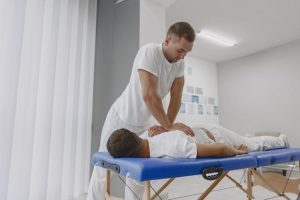
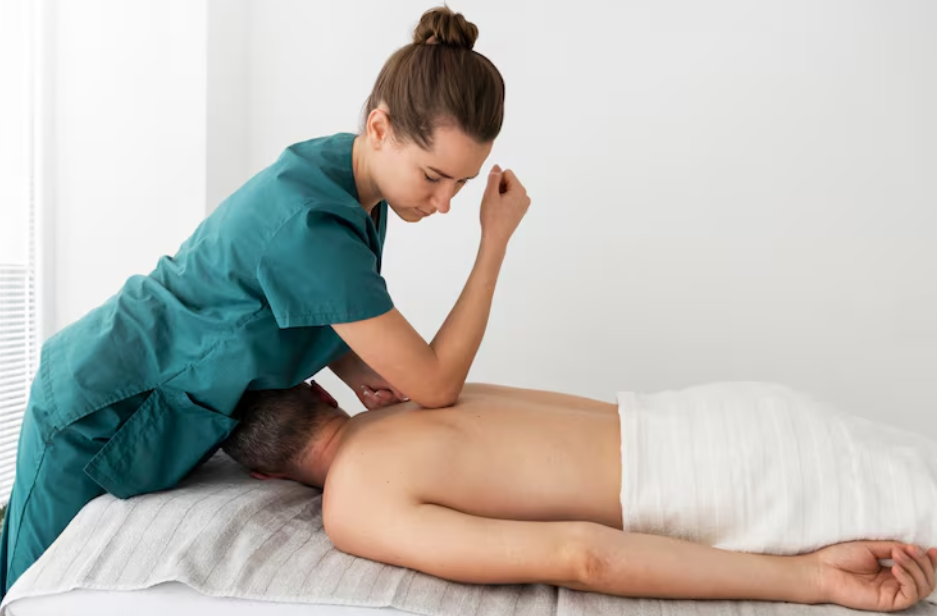
Registered massage therapy is a professional treatment that uses different hands-on techniques to support the body’s muscles and soft tissues. A registered massage therapist is trained to understand the body’s structure and identify areas of tension, stiffness, or discomfort. Each session is planned according to the client’s needs, health history, and personal wellness goals.
Depending on individual requirements, treatment may involve gentle pressure, kneading, stretching, and other massage techniques. Some people choose registered massage therapy to manage muscle discomfort, while others use it to relax and maintain their physical well-being. Before starting treatment, discussing any existing health concerns with the therapist helps ensure that the session is suitable and comfortable.
Reduces Muscle Tension and Physical Discomfort
Daily activities, long working hours, and poor posture can place stress on different parts of the body. Over time, this may lead to tight muscles, stiffness, and discomfort in areas such as the neck, shoulders, and back. Registered massage therapy can help relax these muscles through different massage techniques.
A registered massage therapist assesses individual needs and uses suitable pressure and movements to address areas of tension. Regular sessions may help improve physical comfort and make everyday activities easier. People who spend many hours sitting or performing repetitive tasks may find massage helpful for managing muscle tightness.
Helps Manage Stress and Promotes Relaxation
Stress can affect both physical and mental health. Busy schedules, personal responsibilities, and work pressure may cause people to feel tired, anxious, or overwhelmed. Registered massage therapy provides an opportunity to slow down and focus on relaxation.
Massage techniques can help calm the nervous system and encourage a sense of comfort. A peaceful environment and gentle movements may also support a better mood and reduce feelings of everyday stress. Making time for regular relaxation can help people feel more balanced and prepared to manage daily responsibilities.
Supports Better Mobility and Flexibility
Muscle stiffness and limited movement can make simple activities more difficult. Whether someone enjoys sports, works at a desk, or performs physical tasks, maintaining flexibility is important for everyday movement. Registered massage therapy may help improve mobility by reducing muscle tightness and supporting comfortable movement.
A massage therapist can focus on specific muscle groups that feel restricted or tense. This may help people move more freely and experience less stiffness during their daily routines. When combined with appropriate stretching and regular physical activity, massage can support better flexibility and physical function.
Encourages Better Sleep Quality
Good sleep is essential for physical recovery, mental focus, and emotional health. However, stress, muscle discomfort, and tension can sometimes make it difficult to relax at bedtime. Registered massage therapy may help create a more relaxed physical and mental state, making it easier for some people to enjoy restful sleep.
Relaxation after a massage session can help reduce feelings of tension and support a healthier sleep routine. Getting enough quality sleep allows the body to recover and prepares people for the demands of the following day.
Conclusion
Registered massage therapy can support overall health and well-being by helping reduce muscle tension, manage stress, improve mobility, and encourage relaxation. Although it is not a replacement for medical treatment, it can be a useful addition to a balanced wellness routine. Understanding how the treatment works and choosing sessions based on individual needs can help people enjoy its potential benefits and maintain a healthier, more comfortable lifestyle.