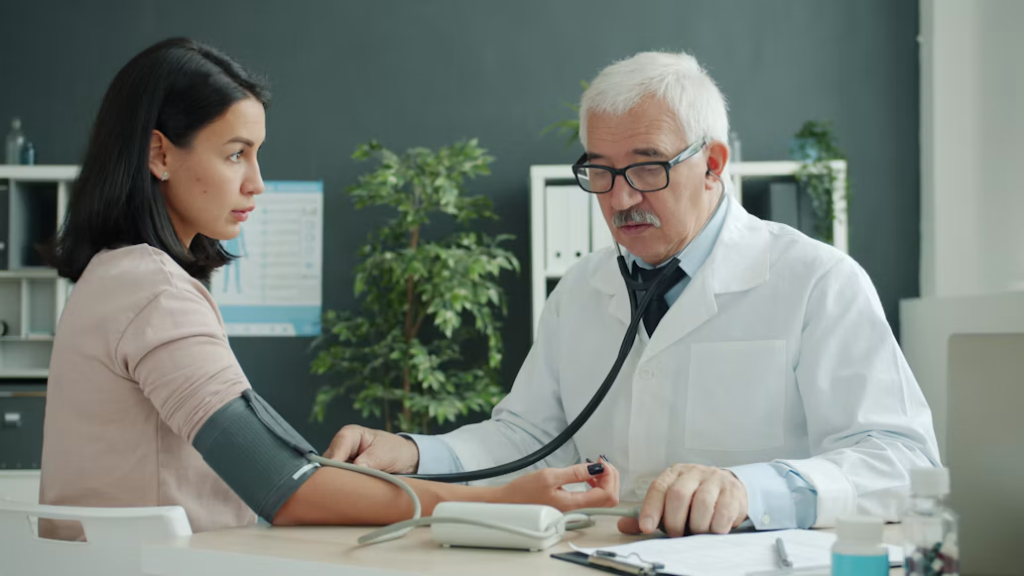
A walk in medical office offers convenient care for illnesses and minor injuries without a scheduled appointment. These clinics commonly assess everyday health concerns, provide basic treatment, and recommend follow-up when necessary. Many locations offer testing, vaccinations, or referrals, depending on staffing and local regulations. Services vary by location, so patients should check what a clinic can manage before visiting. Knowing which problems are suitable helps people choose care confidently.
1. Colds, Flu, and Respiratory Symptoms
Coughs, sore throats, congestion, and mild flu-like symptoms are frequent reasons people visit a walk in medical office. A healthcare professional can review symptoms, check temperature, examine the throat and lungs, and decide whether testing is appropriate.
Treatment may include advice on rest, fluids, symptom relief, or further assessment. Mention breathing problems, persistent fever, or worsening symptoms.
2. Minor Infections
Some clinics assess uncomplicated ear, eye, skin, and urinary infections. Symptoms may include ear pain, redness, itching, painful urination, or a localized rash.
At a walk in medical office, a clinician can examine the affected area and determine whether testing or prescription treatment is needed. Severe or complicated infections may require specialist or hospital care.
3. Minor Cuts, Burns, and Sprains
Small cuts, mild burns, bruises, and simple sprains may also be assessed at a walk in medical office. Staff may clean and dress wounds, provide first aid, and evaluate swelling.
They may recommend imaging or referral if a fracture or deeper injury is suspected. Heavy bleeding, major burns, or serious injuries need emergency attention.
4. Stomach and Digestive Problems
Nausea, vomiting, diarrhea, constipation, and mild stomach discomfort can interfere with everyday activities. A clinician can ask about duration, hydration, meals, and warning signs.
A walk in medical office may provide initial assessment and guidance for mild digestive problems. Severe abdominal pain, blood in vomit or stool, fainting, or signs of significant dehydration require urgent medical evaluation.
5. Skin Conditions and Allergies
Rashes, insect bites, mild allergic reactions, and limited skin irritation are other common reasons for seeking prompt care. A professional can examine the skin, ask about exposures, and suggest treatment.
A walk in medical office may also advise when follow-up with a dermatologist is appropriate. Swelling of the tongue or throat, or difficulty breathing, is an emergency.
6. Minor Pain and General Health Concerns
Headaches, muscle aches, back discomfort, and mild joint pain can often receive an initial assessment. Staff may check vital signs, discuss recent activity, and recommend appropriate next steps.
A walk in medical office can help identify whether symptoms appear minor or need further investigation. Bring a medicine list and explain existing conditions.
Final Thoughts
Walk-in clinics can be useful for many non-emergency illnesses and minor injuries, but their services and equipment differ. Contact the clinic if you are unsure whether it can assess your concern. Seek emergency help for chest pain, severe breathing difficulty, uncontrolled bleeding, or other life-threatening symptoms. Choosing the right care setting and following medical advice can support safer, appropriate, timely treatment.