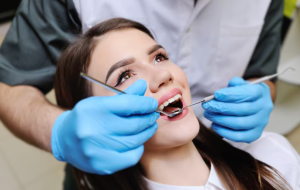
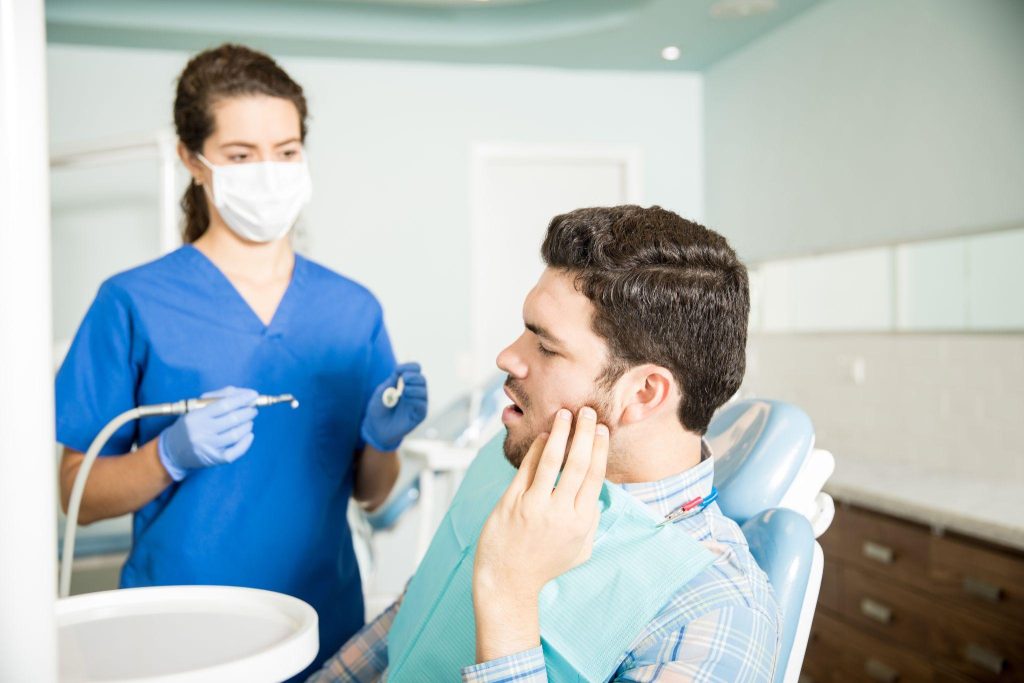
If you are scheduled for a dental procedure, the aftercare can feel confusing and a little frightening. The truth is that after a dental procedure, you just need extra care, meaning you need to eat suitable foods and follow your dentist’s instructions. Simple habits can make the recovery time easier.
Here are some tips to help you recover after a dental procedure.
Choose Soft Foods During the Initial Recovery Period
Soft foods are often easier to eat after dental procedures because you don’t have to chew them a lot. Soft foods put less pressure on the sensitive areas. Options like mashed potatoes, oatmeal, yogurt, soup, and scrambled eggs are great for nourishment as well as comfortable chewing.
Try cutting food into smaller pieces and chewing away from the treated area. Do not eat sticky, hard, or crunchy foods until your dentist tells you that they are safe. These foods can irritate healing tissues and make recovery difficult.
Adjust Your Diet After Dental Implants
After getting dental implants, you need to adjust your diet while your mouth heals. An implant is placed in the jawbone. It needs time to integrate with the surrounding bone before final restoration is completed.
During the healing period, you will have to eat soft foods and not chew over the surgical site. Foods like mashed vegetables, smooth soups, and soft pastas can be great when recommended by your dentist. Do not eat ice, nuts, or other hard foods that can place unnecessary pressure on the surgical site.
Manage Eating While Undergoing Orthodontic Treatment
Any orthodontic treatment, like braces, can make eating very uncomfortable, particularly when they are first fitted or adjusted. You might feel your teeth are tender and your lips and cheeks may take time to adjust.
During this time, choose foods that don’t require much chewing, such as soft rice, yogurt, bananas, and properly cooked vegetables. For easier eating, you can also cut the food into smaller bites. Do not bite directly into foods like carrots or apples to prevent damaging brackets or wires.
Maintain Gentle but Consistent Oral Hygiene
Keeping your mouth clean after a dental procedure is important, but you might need to adjust the method slightly. After some procedures, you can’t brush directly over the treated area until the dentist says it’s safe.
Keep cleaning the unaffected teeth with a soft-bristled brush. If your dentist tells you to use a mouthwash or saltwater, use it according to instructions. Do not brush vigorously, as it can disrupt the healing blood clot.
If you have braces, you need to be extra careful around wires and brackets. You can use interdental brushes or other tools to reach difficult areas.
Get Enough Rest and Follow Aftercare Instructions
After a dental procedure, resting is important to recover, particularly after surgical procedures. If your dentist recommends light physical activity, follow their advice and avoid strenuous activities.
Take prescribed medications regularly and never exceed the recommended doses. Never smoke, as it can interfere with healing and even increase the risk of complications. Keep going to the dentist for pain and swelling. If there is bleeding or other concerning symptoms, immediately seek professional help.